The Vacancy Project

Ever wonder what's up with all the vacant storefronts and empty lots in Petaluma? We have, and we're doing something about it.

We're building a movement to address Petaluma's vacancy problem head-on.

Many owners want to put their property back to use, and we're here to help. Through collaboration, we'll advance policy solutions, unlock funding, and mobilize the people needed to turn empty spaces into vibrant places that better serve our community.
Join us.

We get off the train and see an abandoned bar and grill across from the station.
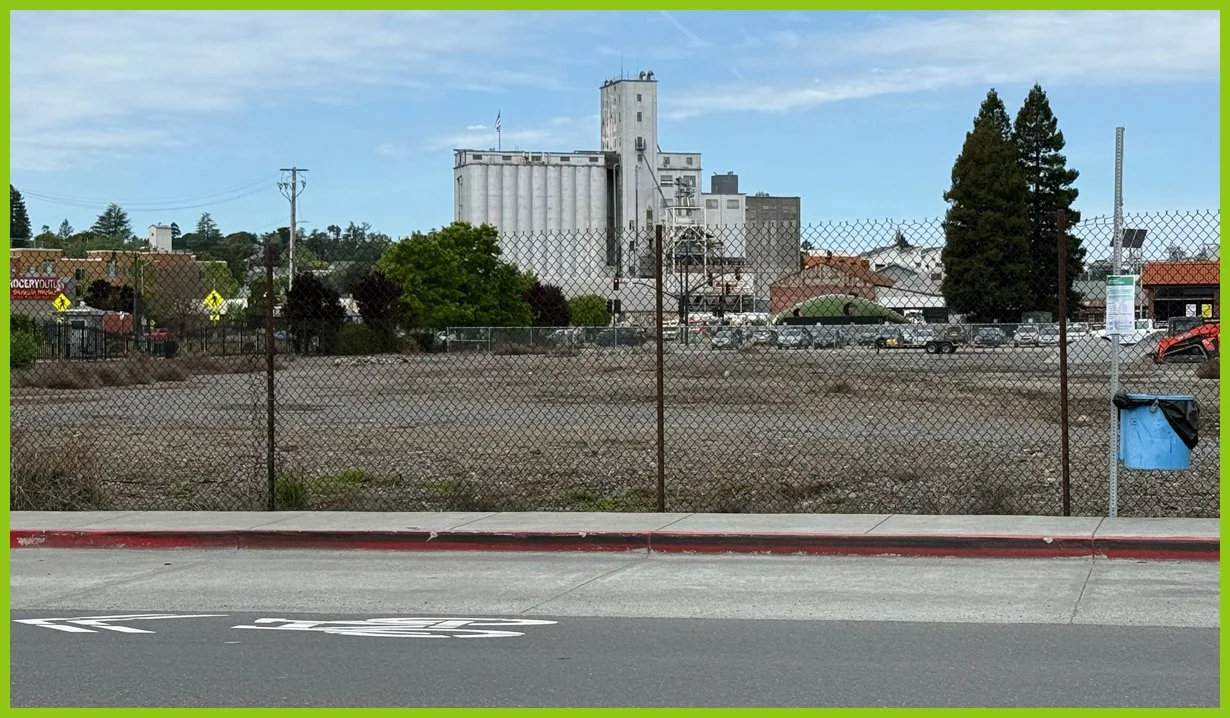
Behind the train depot we see acres of vacant land, wrapped in a chain-link fence.
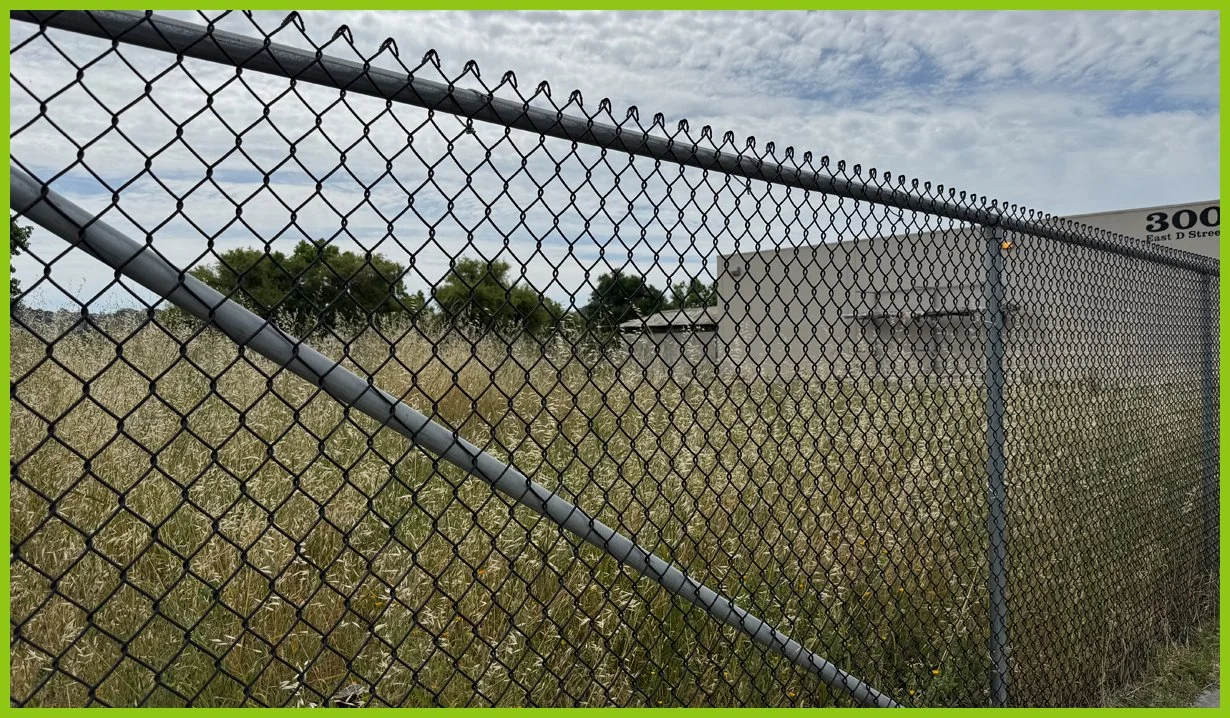
We look across East D Street and see an overgrown lot behind a chain-link fence.
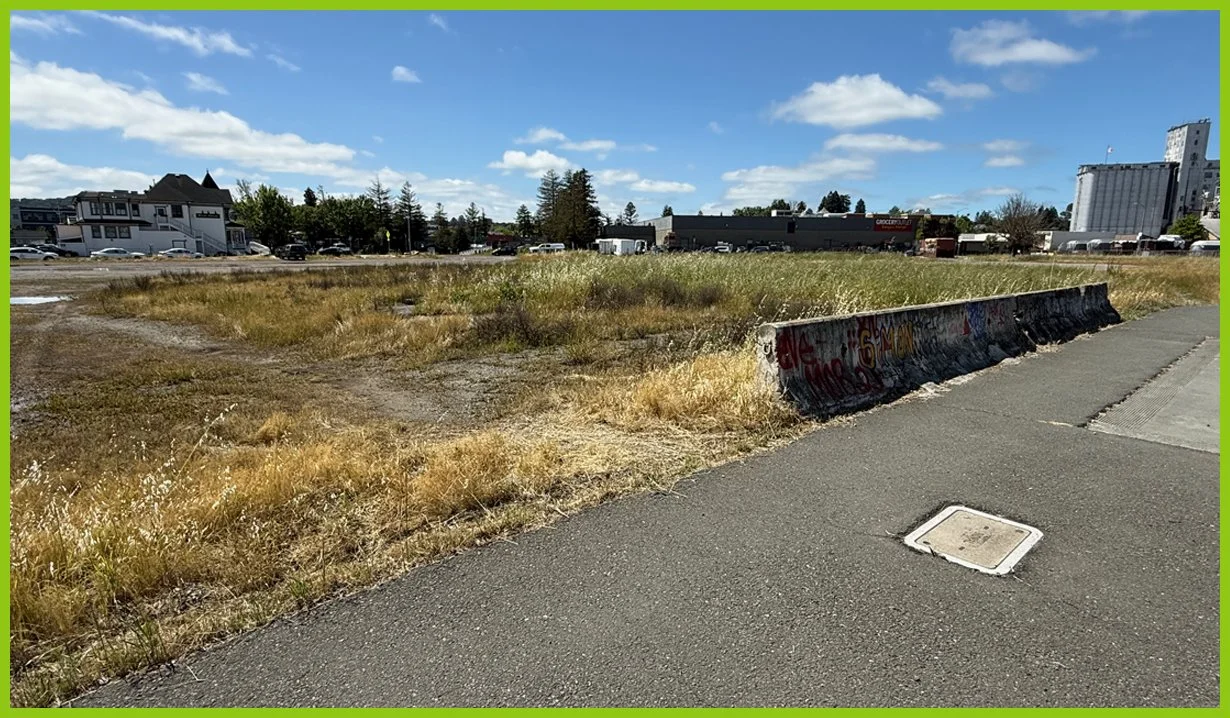
Walking down East D Street, we see another large, vacant parcel.
The scale of the vacant land hits us — it’s massive.
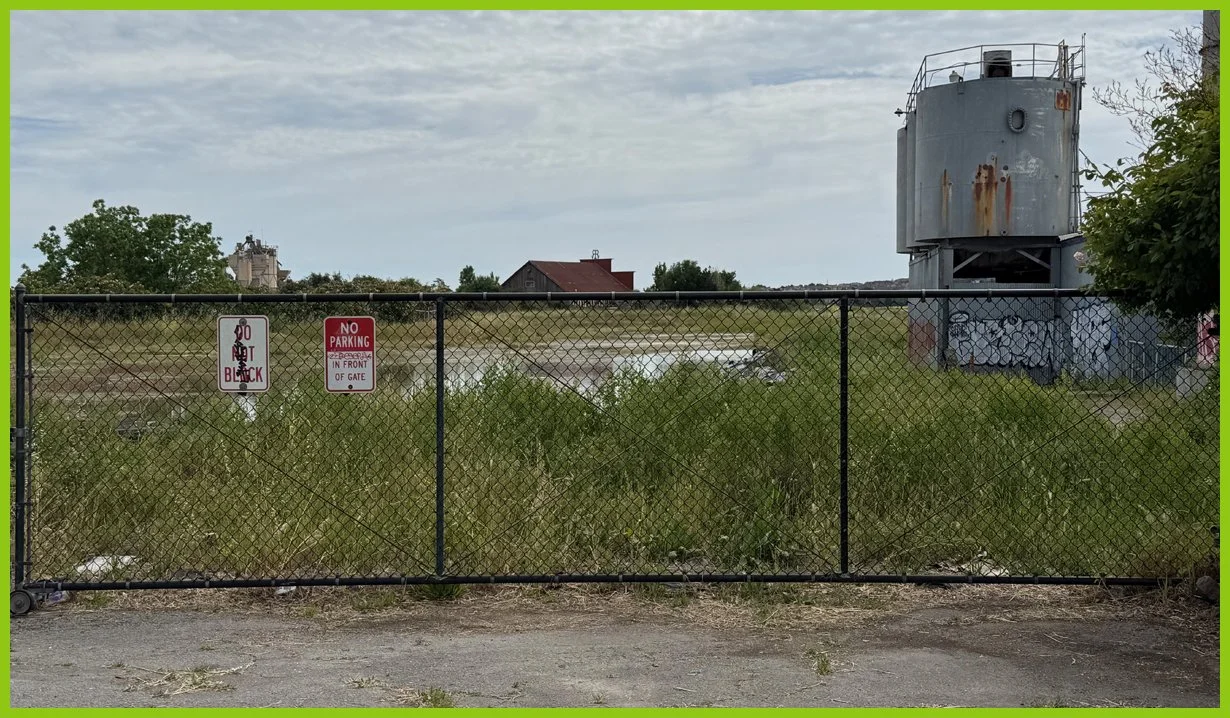
A bit farther down on the other side, a fenced lot holds a rotting tanker and standing water.
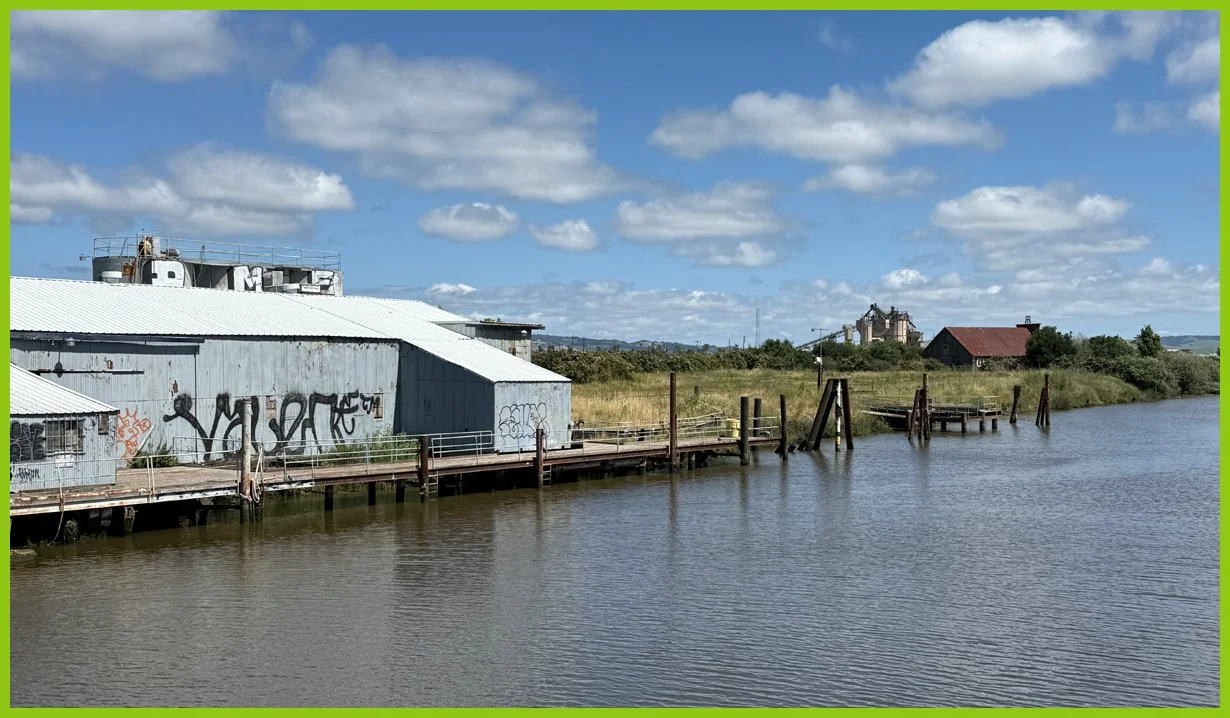
From the D Street Bridge, we spot a dilapidated warehouse, more empty land.
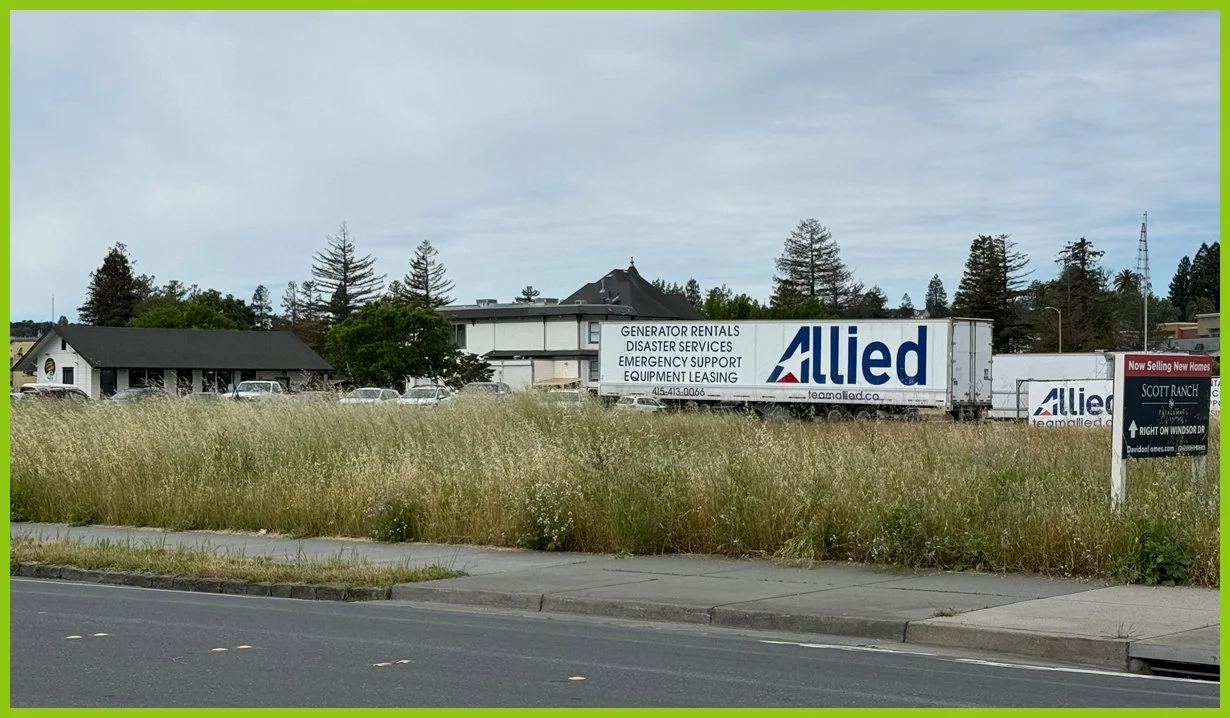
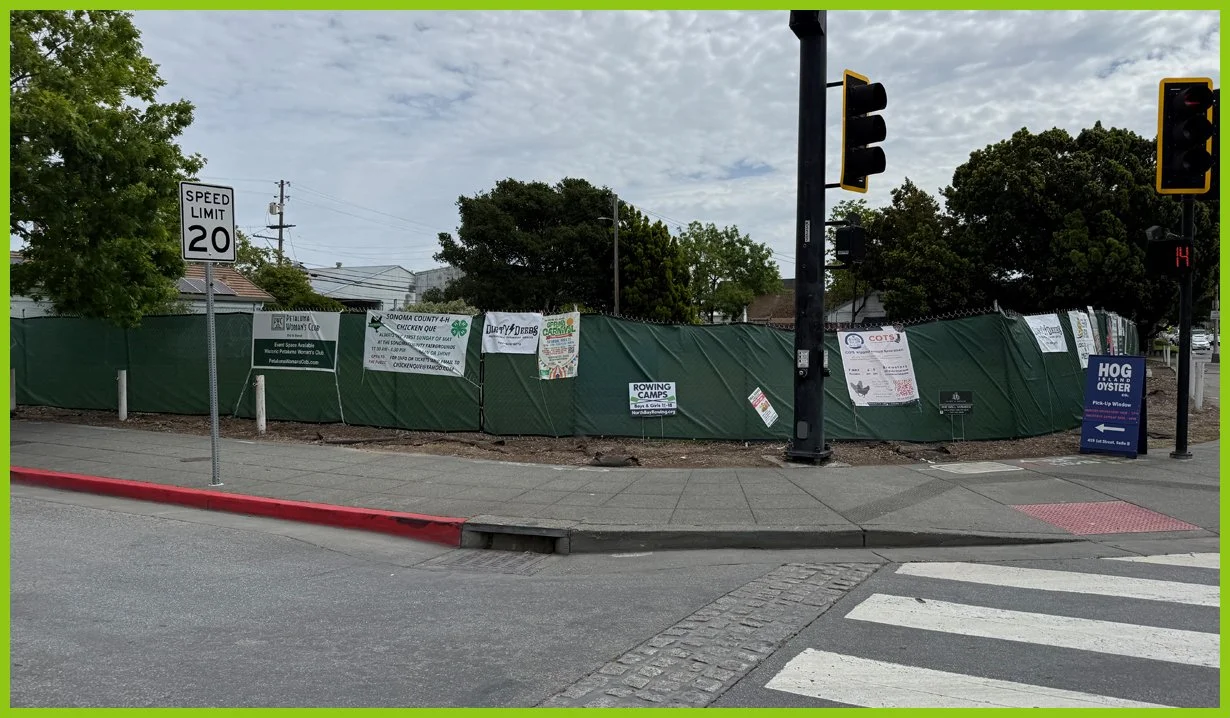
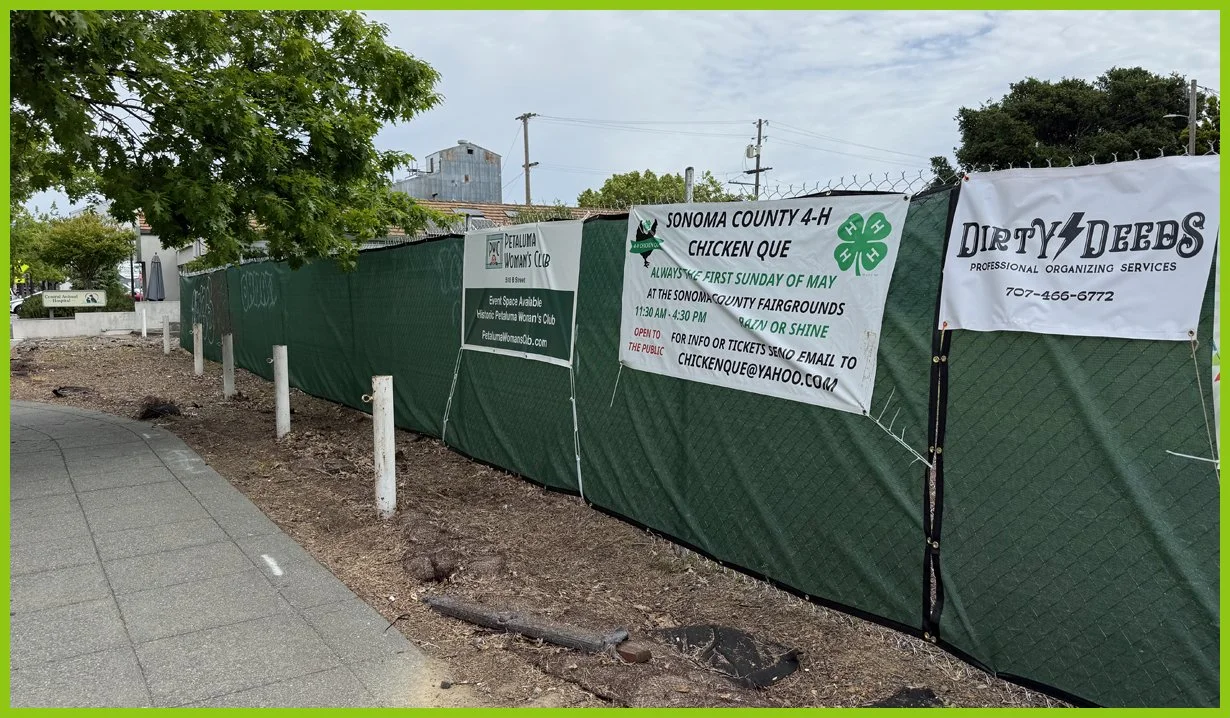
Continuing on D Street, we come to Petaluma Blvd and find another fenced lot on the corner.
Close inspection shows this lot has been vacant for a long time.
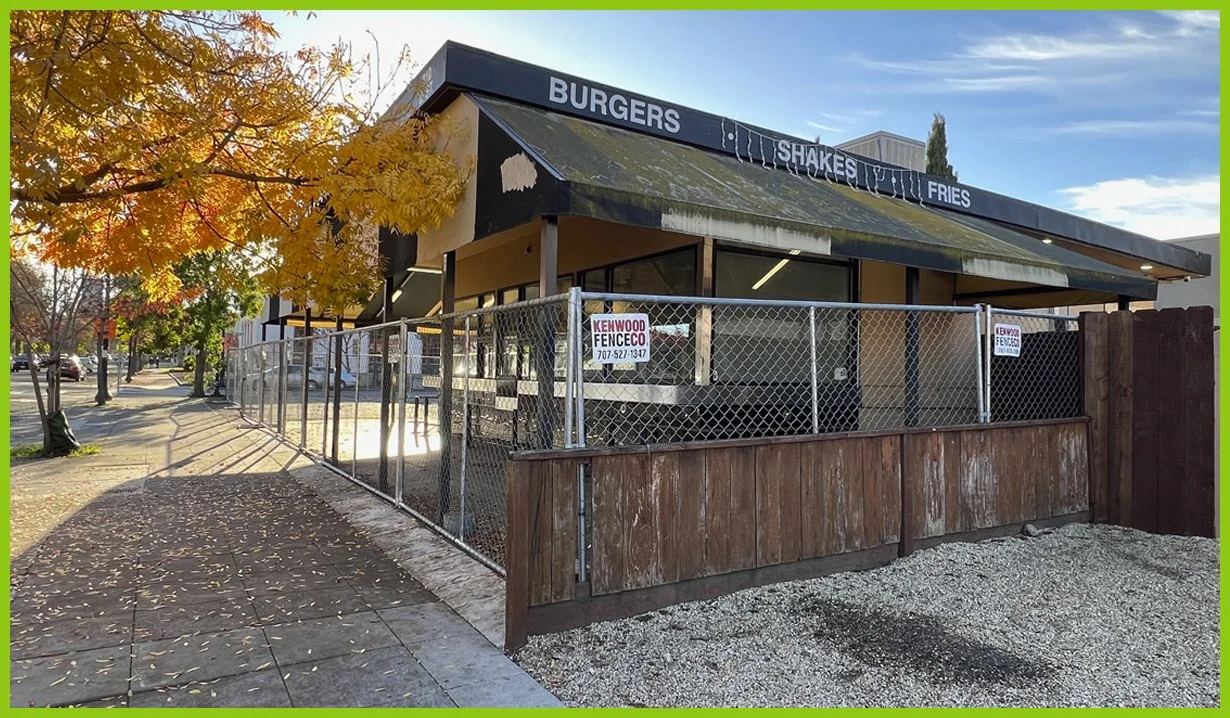
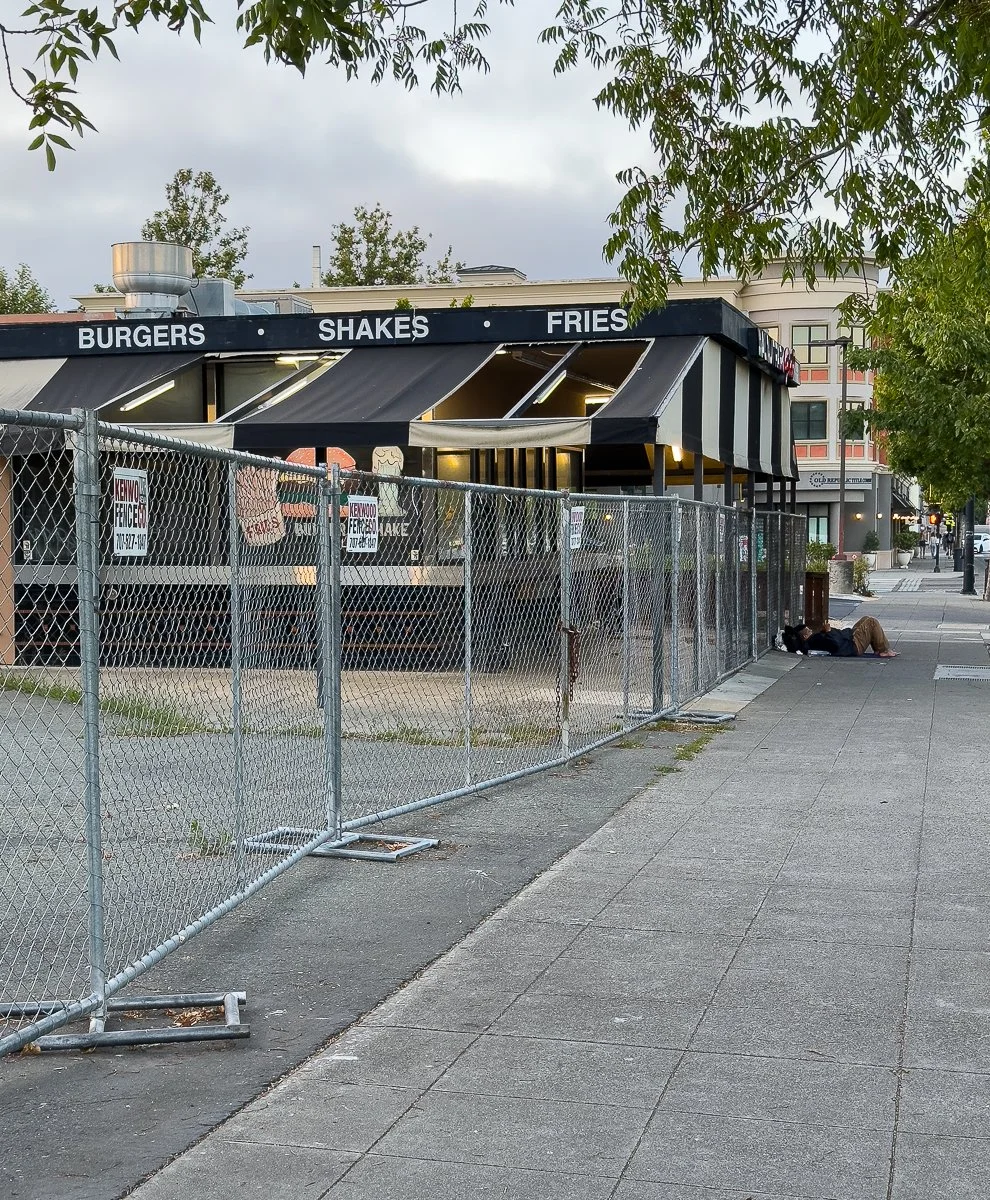
A pretty park offers hope, but across from it, a grill with a collapsing awning sits fenced off.
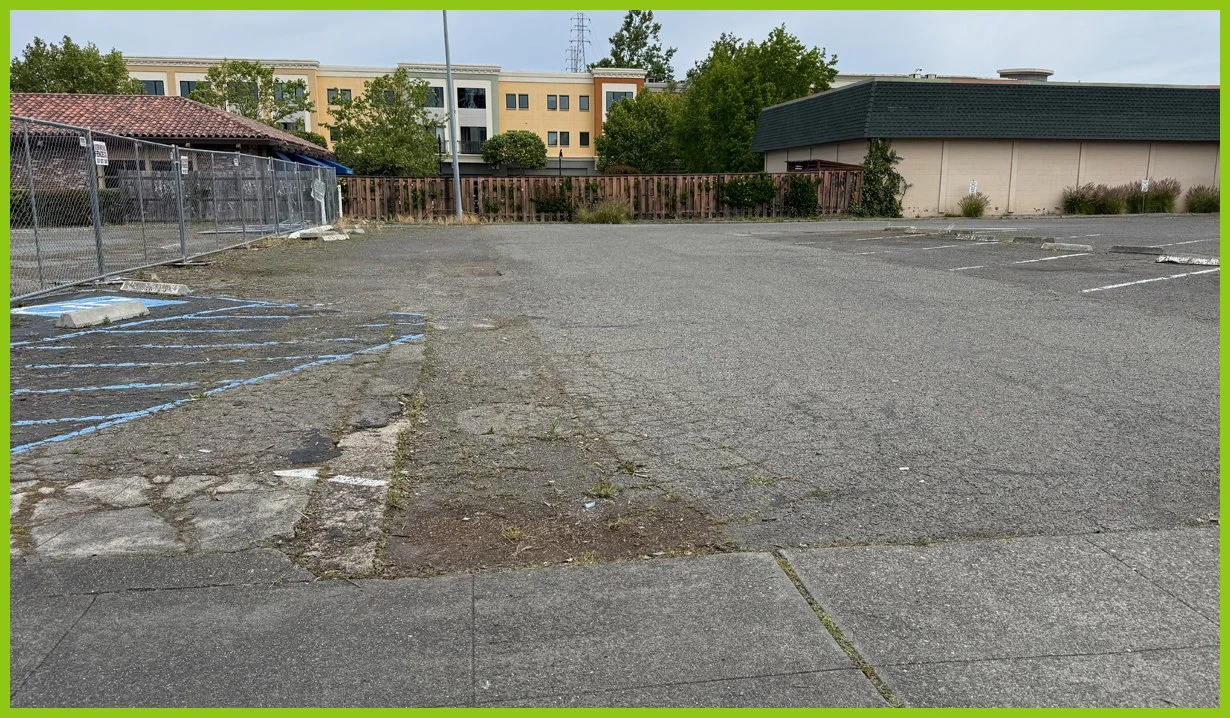
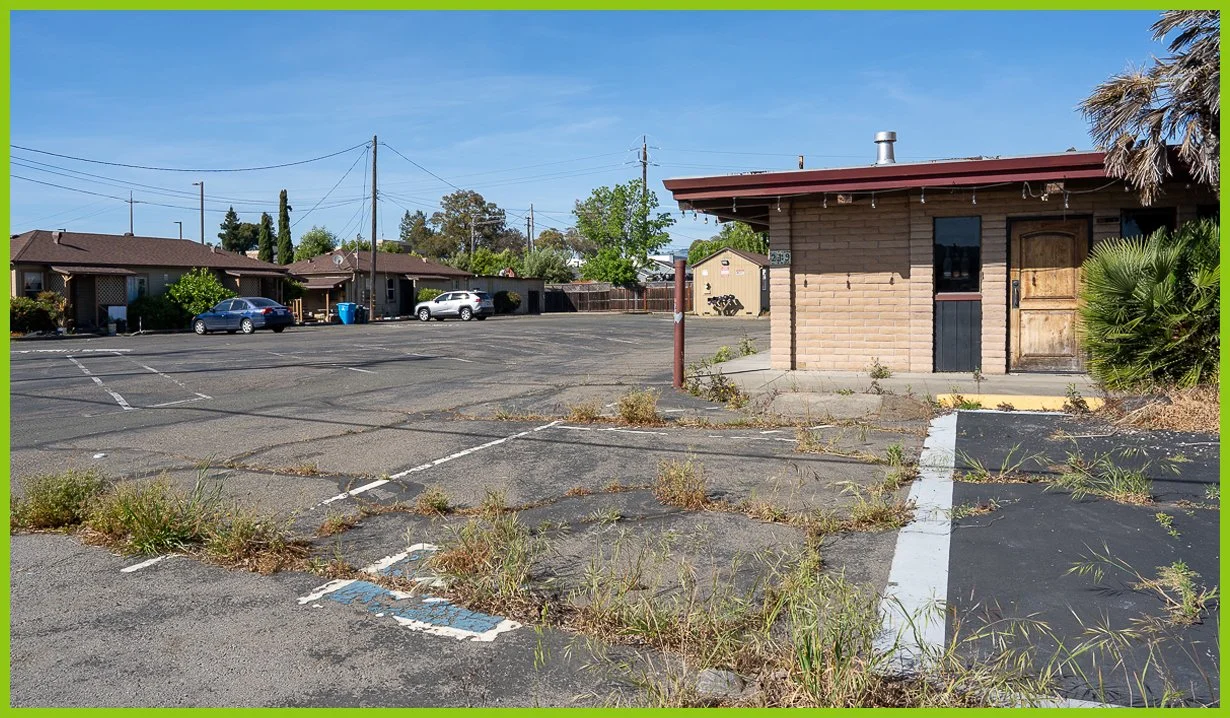
We round the corner on Fourth Street to an empty parking lot of cracked asphalt.
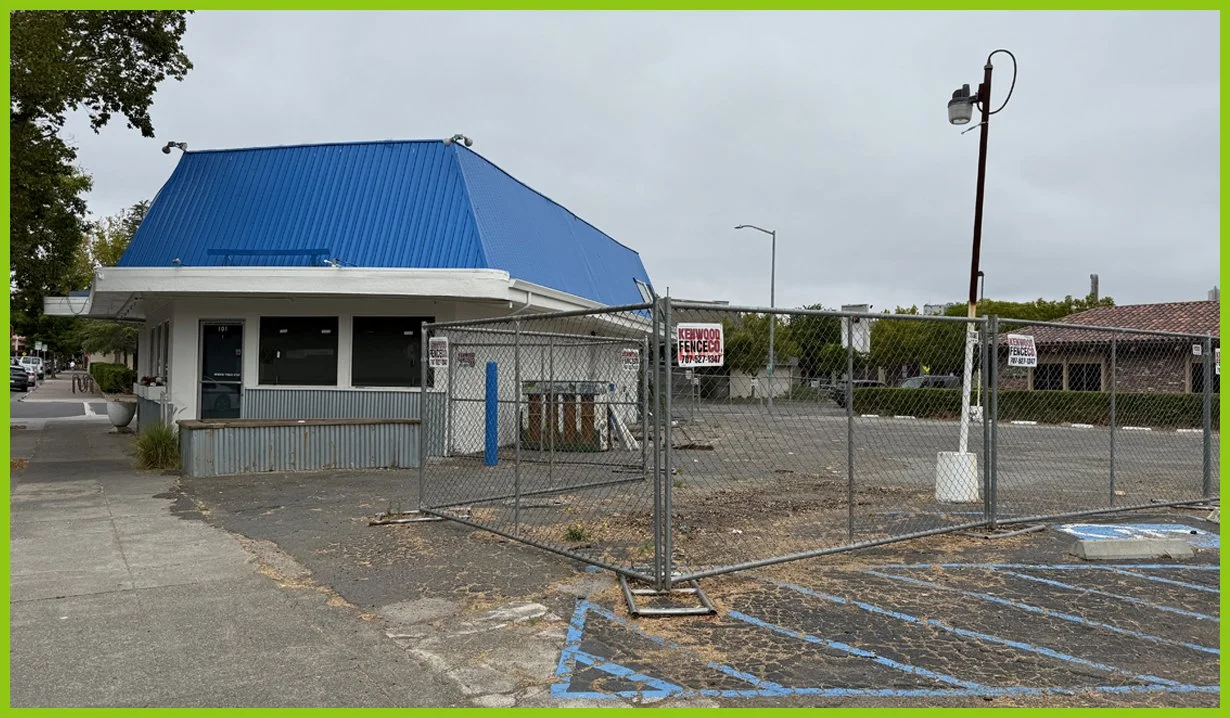
And another abandoned restaurant sits on a pad of weedy asphalt.
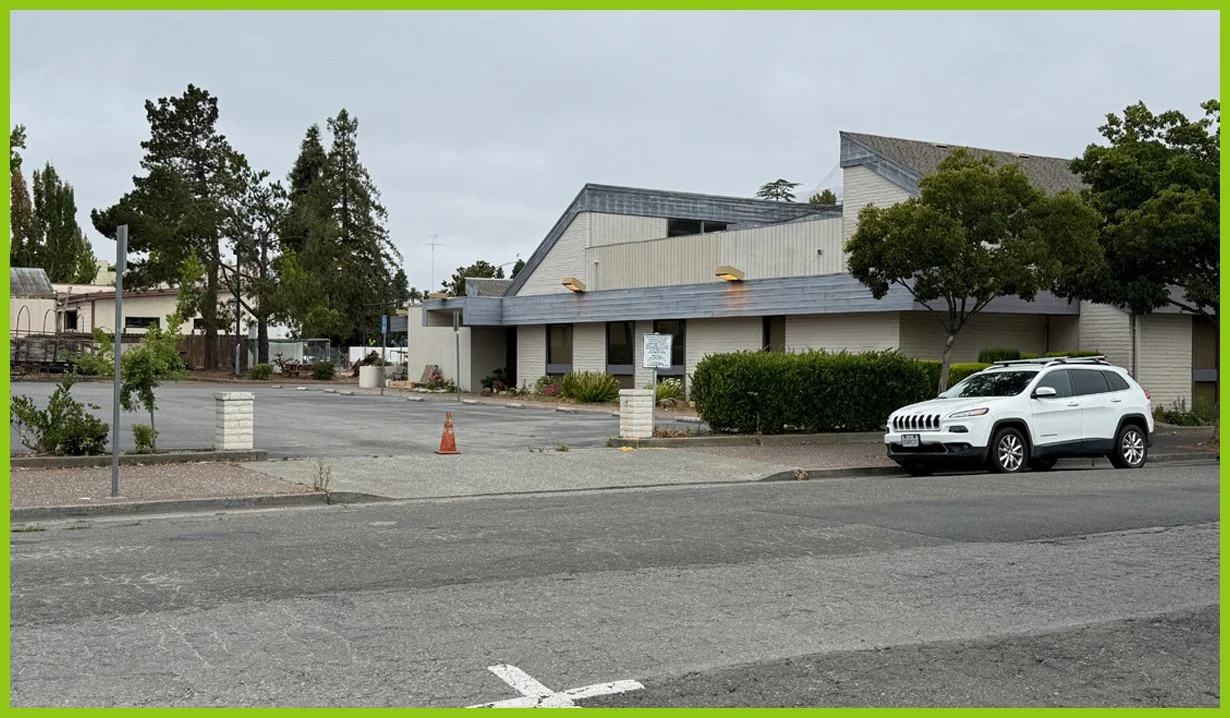
Ahead are more businesses, but even the bank we spot is vacant.
We turn the corner at a sweet hardware store, then see another empty corner lot.
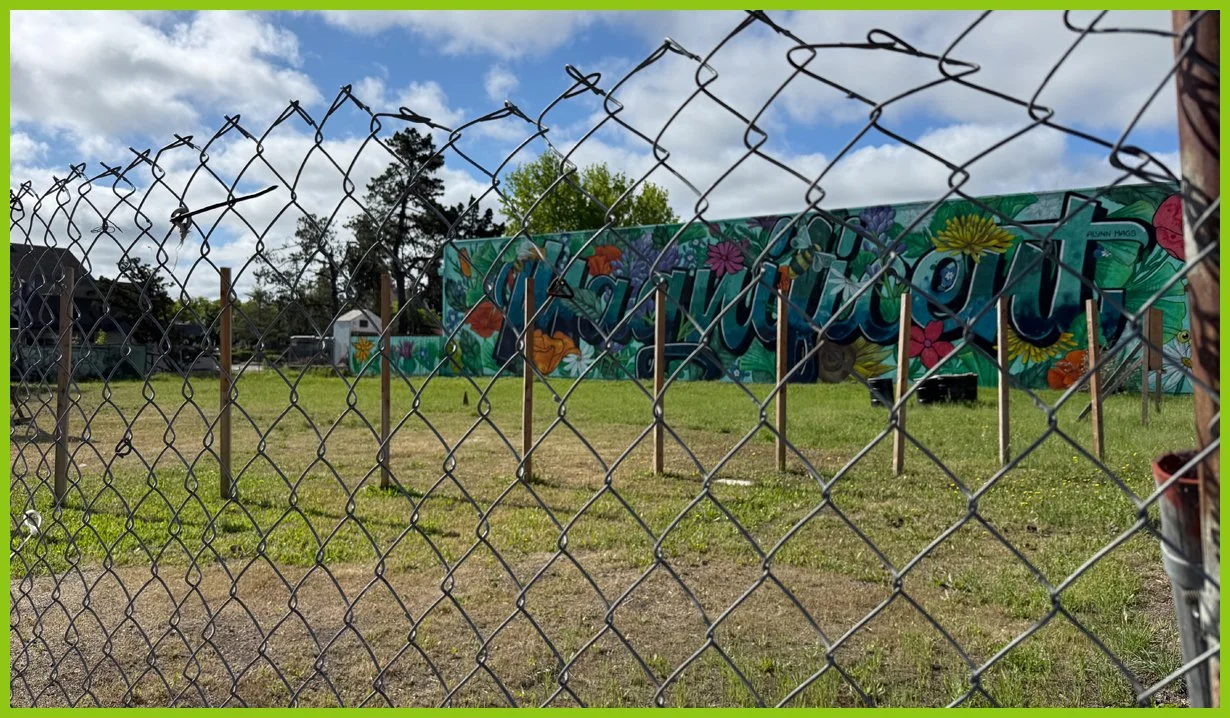
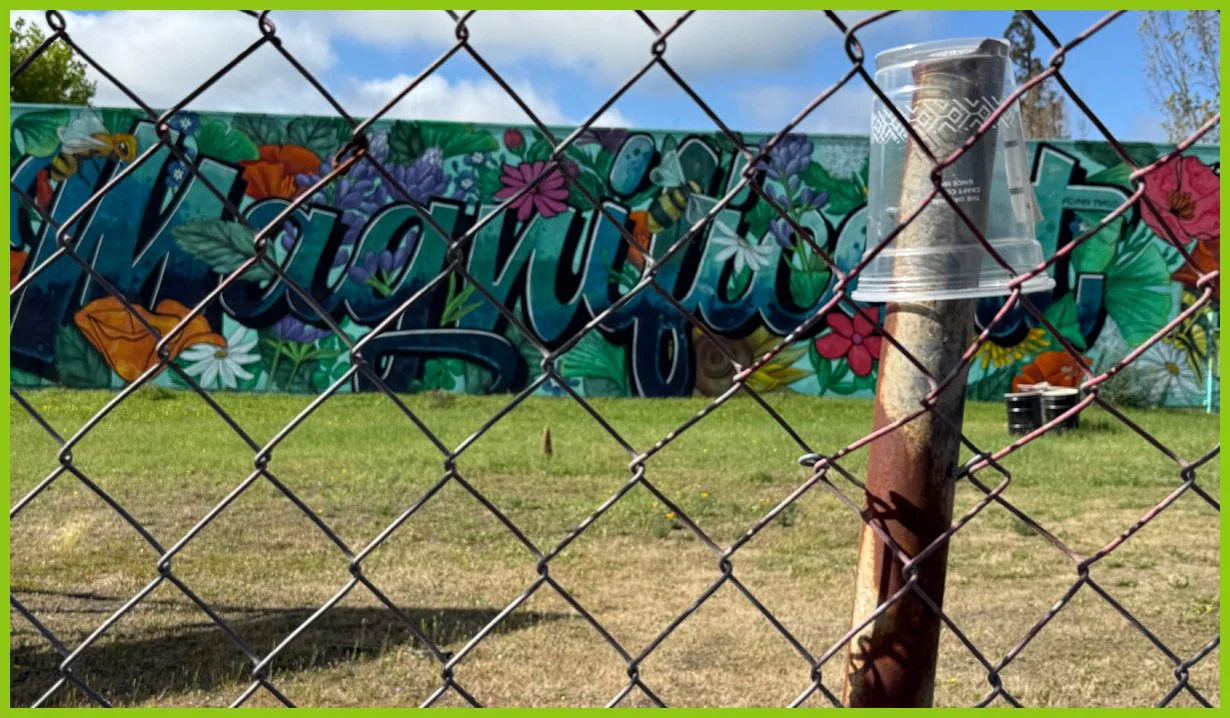
At least the mural is magnificent…

Walk with us from the train station down D Street into downtown.

Here’s what we see.
Petaluma has a vacancy problem. And it’s getting worse.

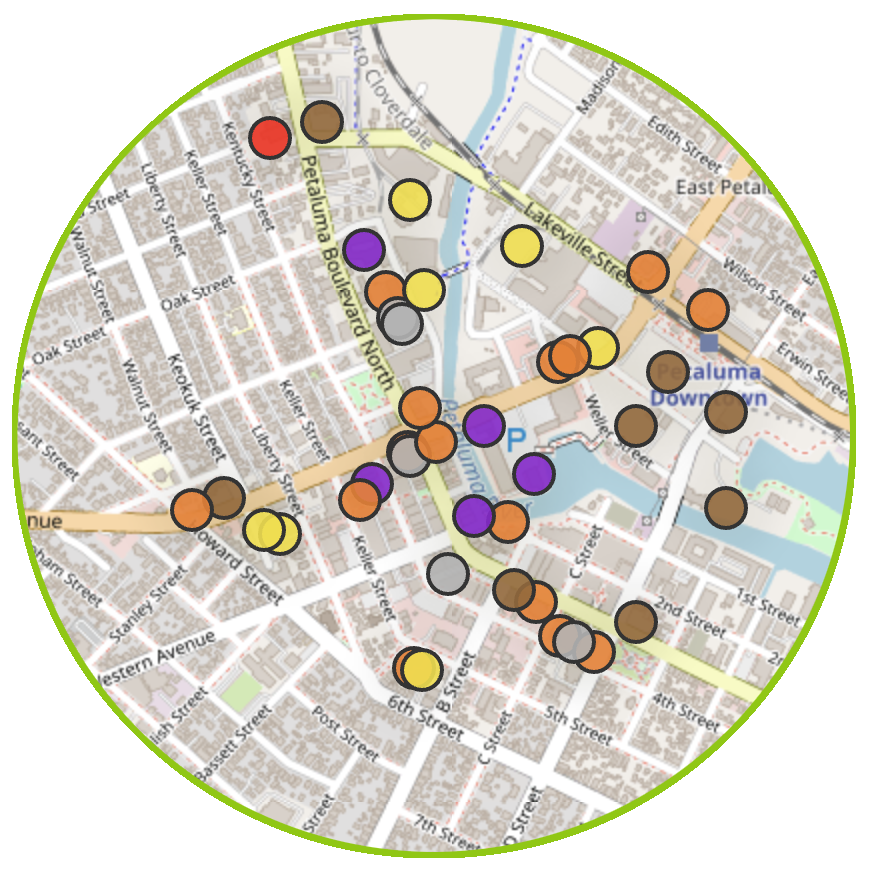
40+ empty lots or vacant buildings near downtown. Some vacant for decades. See the map.

Vacancies hurt everyone.

  • Blight spreads
  • Graffiti, littering, and other nuisances increase
  • Property values fall
  • City revenue drops
  • Neighborhoods and commercial districts decline
  • Investment dries up

How vacancies drain momentum from downtown.

When vacancies pile up, a pattern can take hold: reduced foot traffic, falling property values, and stalled investment — a pattern seen in cities hit by major employer losses or pandemic-driven downtown collapse.

Left unchecked, that cycle can reinforce itself — making it harder for downtown to recover.

This isn’t just about decline. It can also happen when growth is pushed to the edges of a city instead of reinvesting in existing neighborhoods. As activity shifts outward, downtown can quietly lose momentum.

Want to go deeper?

Read what the data tell us in this detailed post by Stuart Sutton of Renaissance Petaluma (Associate Professor Emeritus, University of Washington).

In the news

Read Petaluma Voice's coverage of The Vacancy Project's launch, including photos of the lots and interviews with Amy Levine and Della Fattoria's Elisa Weber.

A fenced-off grill with a collapsing awning across from Walnut Park

Petaluma’s historic neighborhoods and downtown are what make the city work — walkable, vibrant, and full of life.

If we don’t invest in and care for these areas, we risk losing what makes Petaluma special.

How we mapped it.

The Vacancy Project team spent months documenting the reality on the ground in Petaluma’s downtown core — walking every block, photographing sites, and researching the revenue each site generates* — all within a ½ mile radius of the intersection of Petaluma Blvd North and Washington Street.

The map we built isn’t a high-level estimate. It’s a detailed, block-by-block picture of what’s actually happening. Every dot on the map represents an opportunity to partner for a more vibrant and sustainable downtown Petaluma.

The map tells the story more clearly than words ever could.

Visit the map

Project data sources

City of Petaluma Zoning Map: APN look-up
Sonoma County Tax Collector: Property tax records

Interested in exploring property ownership data? Access Regrid.com (free for individual lookups) to find ownership information. Use the California Secretary of State business search for additional detail on LLCs, LPs, and corporations.

*We’ve worked diligently to create an accurate representation of the vacancy problem in our downtown and urban core. Please reach out to report any errors in our data, or to ask any questions. The team can be reached at TheVacancyProject@urbanchat.org.

Circular preview of the Petaluma vacancy map

We can fix it.

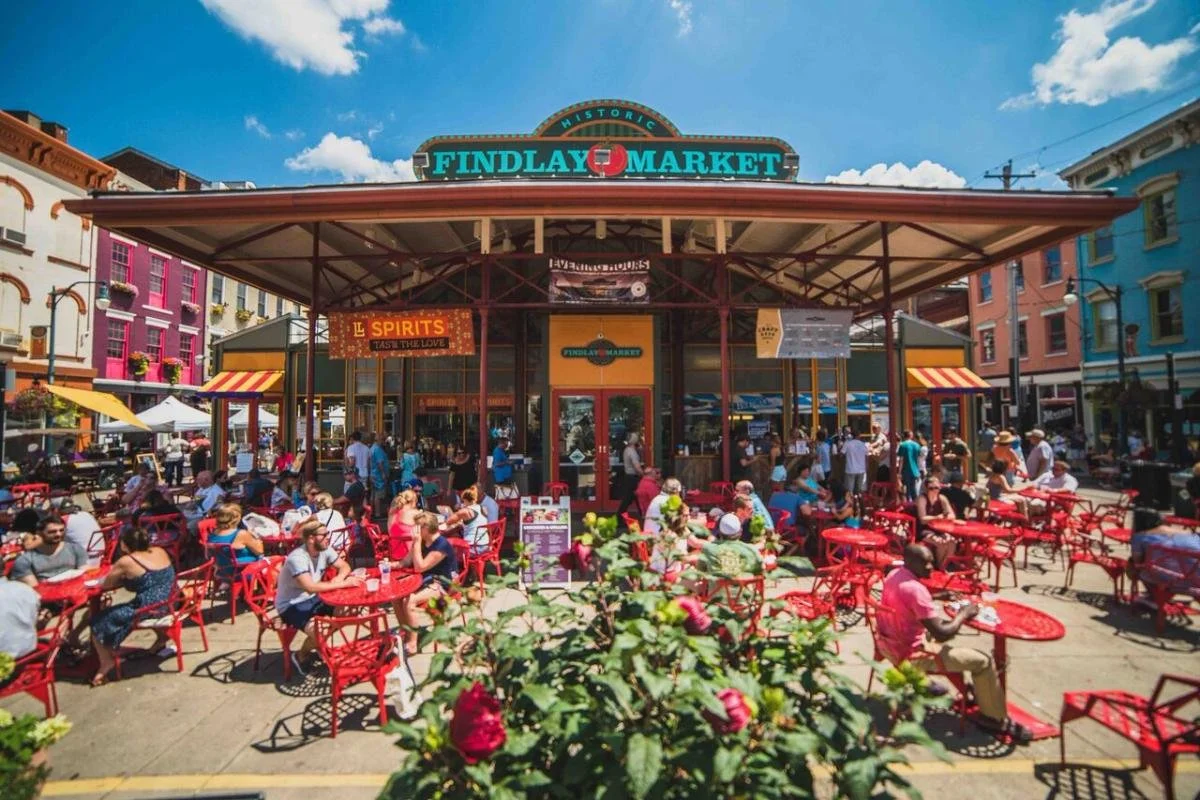
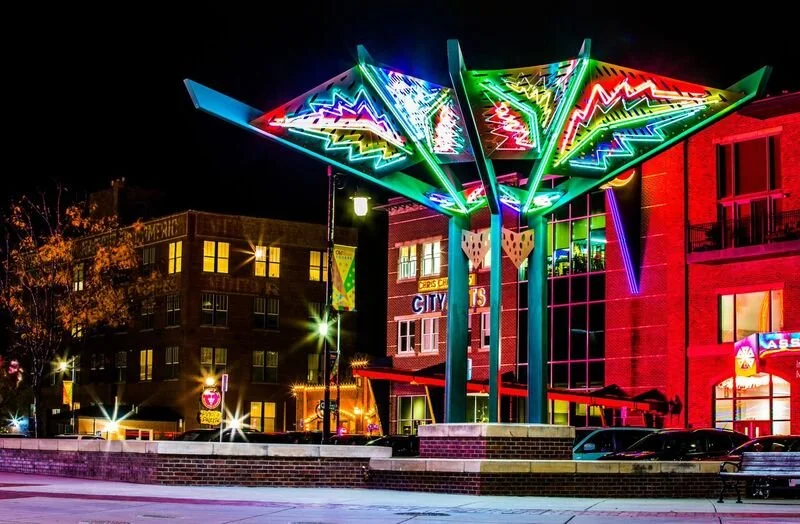
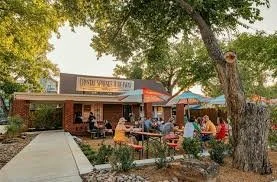
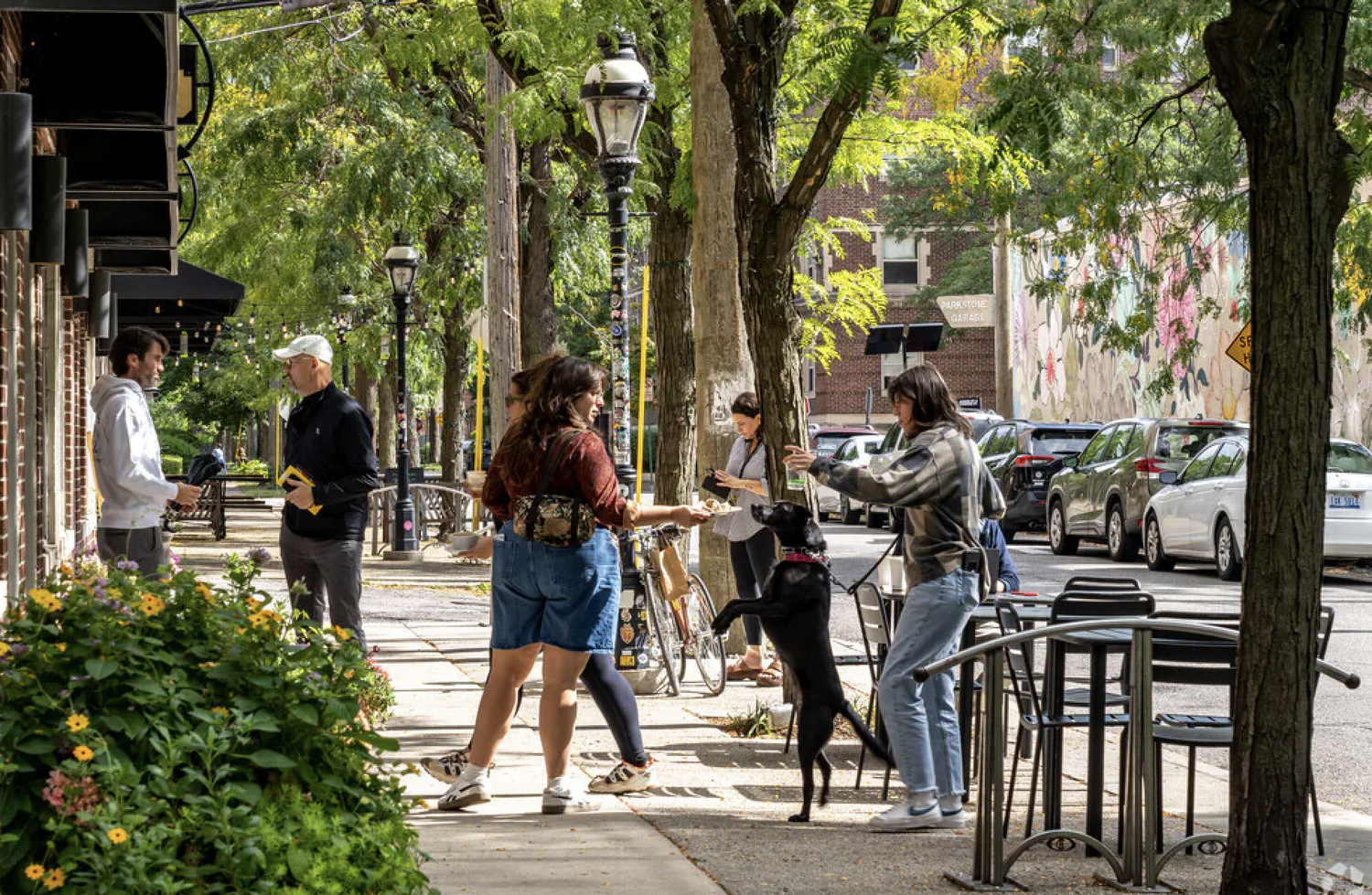
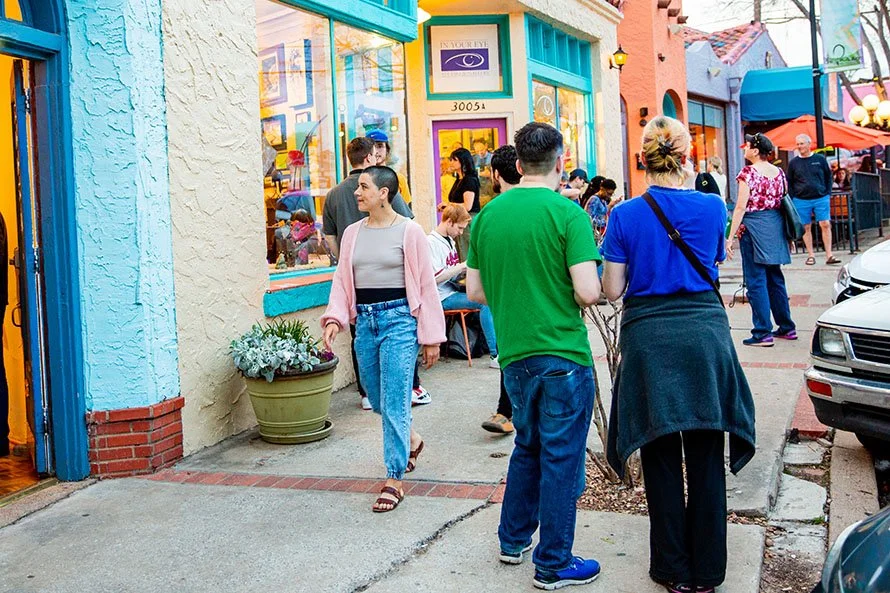
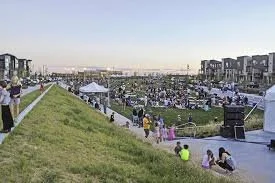
Redevelopment brings housing, jobs, walkability, shade, and economic life.

Over-the-Rhine, Cincinnati
Old Town, Wichita
Old Town, Wichita
River District, Fort Worth
East Village, Detroit
Paseo Arts District, OKC
Central Park, Denver

What we’ve tried

Thirty years ago, the City adopted the Central Petaluma Specific Plan to revitalize the downtown and the industrial spaces to the east of the river - envisioning a walkable, mixed-use area with vibrant public spaces.

But after creating the Plan, the City largely stood back and waited for private developers to make it happen.

While some redevelopment has occurred in that 30 years, many viable projects have been abandoned because of unanticipated expenses, delays, and environmental contamination.

The result: slow and uneven economic growth in our urban core, brownfields and heat pockets throughout the city, and a government struggling to make ends meet.

Petaluma’s strategy of letting the private sector solve its problems has failed, and new solutions are needed.

Why change is slow

In this provocative post from Renaissance Petaluma, Stuart Sutton details the high-friction environment of development in Petaluma and why we get the results we get.

What other cities have done

Cities that have successfully reduced vacancies have taken a more active role—not just regulating development, but partnering in it.

Successful cities have used these strategies among others:

  1. Reduce bureaucracy, improve transparency, and streamline the approval process to reduce development risk and delay.
  2. Invest in infrastructure needed to develop catalyst properties or entire districts.
  3. Develop new funding mechanisms and strategies to support redevelopment activities.
  4. Perform environmental remediation and make vacant lots or abandoned buildings suitable for development.

Join the coalition.

The Vacancy Project is a grassroots initiative of Petaluma Urban Chat, bringing together a broad coalition of property owners, community members, local organizations, business and labor leaders, and public officials.

Together, we’re working to understand, and eliminate the regulatory, financial, environmental, and practical barriers that keep vacant commercial and industrial properties from being reused and redeveloped.

Petaluma Urban Chat’s vision is to create and sustain a Petaluma that is walkable, vibrant, resilient, and financially sound. Bringing vacant spaces back to life will help us achieve that goal.

Subscribe to receive updates